
Share
The global aviation industry provides engineered solutions for highly specific travel requirements. Selecting the correct type of aircraft is the most critical step in flight planning. Decision makers must evaluate numerous operational variables before securing a reliable charter contract.
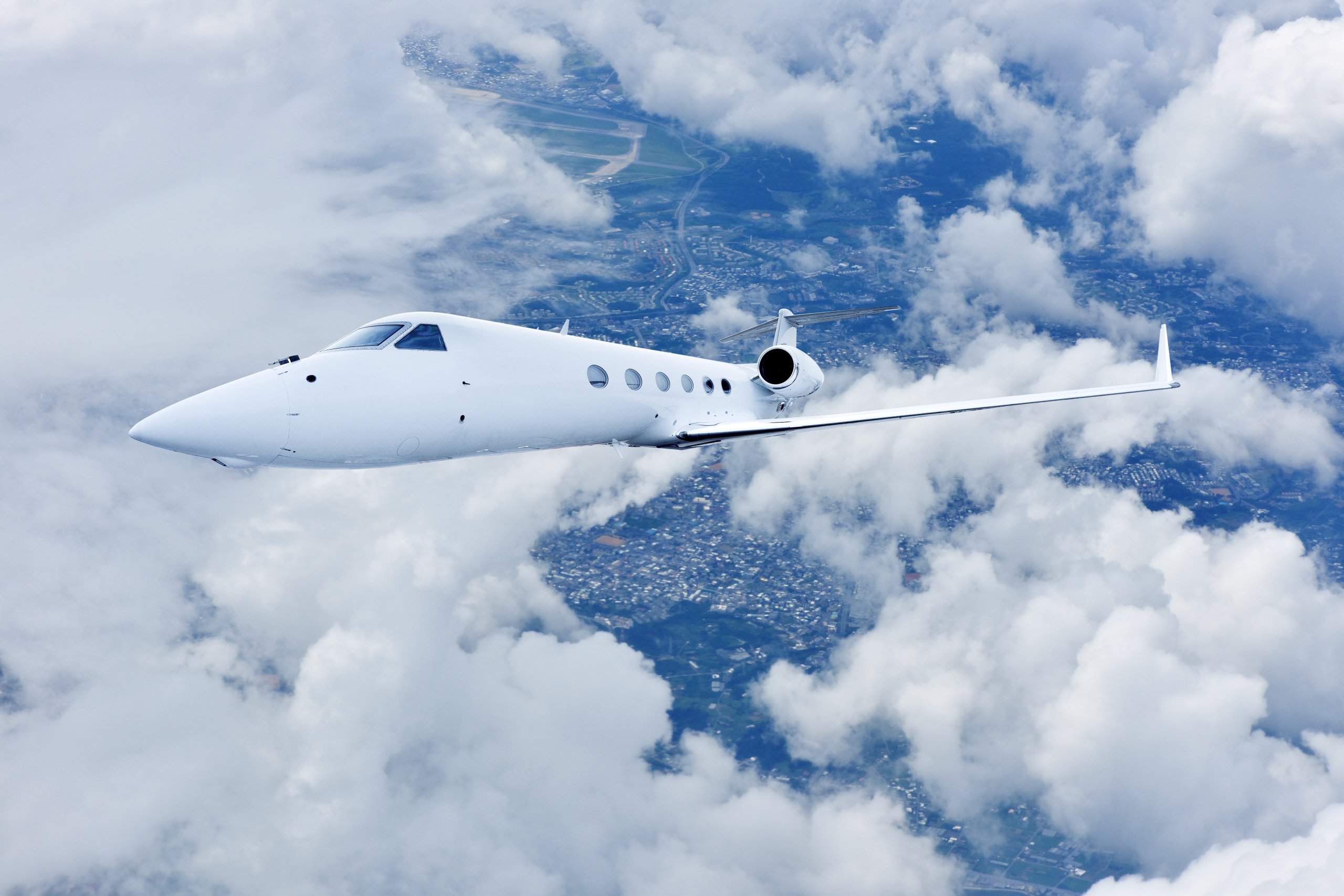
The market offers a vast spectrum of different aircraft types engineered for unique missions however the most commonly in demand are the narrow body types from Airbus and Boeing followed by the wide-body types. Whilst for business jets Bombardier and Gulfstream aircraft are the most popular followed by Cessna and Dassault. Understanding the specific capabilities of each category guarantees operational excellence and passenger safety. A comprehensive aviation strategy relies on matching the machine to the exact mission profile.
For example, corporate entities demand robust logistical support to maintain their demanding international business schedules. Identifying the proper aviation tool eliminates unnecessary delays during complex international travel arrangements.
Exploring the Different Airplane Types Available for Travel
The business aviation sector categorises aircraft based on cabin volume and maximum flight range. Corporate flight departments evaluate different airplane types to optimise their annual travel expenditures. Very light jets serve as efficient entry-level options for short regional transport requirements.
This compact type of aircraft typically accommodates four to six passengers on domestic routes. Light jets represent the standard workhorse category within the broader global charter market. They deliver enhanced speeds and extended ranges up to 2,000 nautical miles comfortably.
Midsize options introduce the distinct advantage of a full stand-up cabin environment. This specific type of aircraft provides a balanced combination of economic efficiency and passenger comfort. Super midsize platforms possess the aerodynamic capability to complete transcontinental journeys without fuel stops.
Large cabin models elevate the travel experience by offering multiple distinct internal living zones. Ultra-long range models connect distant continents effortlessly and represent the pinnacle of corporate aviation. Each type of aircraft serves a highly specific operational purpose within the global marketplace.
The Different Types of Aeroplanes and Their Features
Aviation engineers design different types of aeroplane with distinct passenger amenities in mind. A standard private jet incorporates varied interior configurations based on its specific classification category. Light models prioritise efficient space utilisation while heavy models focus on absolute luxury.
Understanding physical differences helps clients select the perfect type of aircraft for their journey. Cabin altitude remains a crucial feature that varies significantly across the types of private jets. Advanced models maintain remarkably low cabin altitudes to reduce passenger fatigue during long flights.
Smaller models feature modest refreshment centres suitable for basic beverages and cold snacks. A larger type of aircraft includes a full galley capable of preparing hot meals. We arrange bespoke catering and ensure high-quality complimentary meals are available during your flight.
Soundproofing technology represents another significant feature distinguishing older models from modern aviation platforms. Corporate teams require a quiet cabin environment to conduct confidential meetings while airborne. We source a type of aircraft featuring advanced acoustic insulation for optimal passenger comfort.
A Guide to All Types of Planes and Their Purposes
Diverse industries require highly specialised aviation solutions to maintain their operational continuity efficiently. We evaluate all types of aeroplanes to support complex logistical and corporate transport demands. The energy sector, for instance, frequently utilises rugged turboprops to reach remote extraction facilities safely.
This particular type of aircraft excels at operating on short and unpaved landing strips. Non-governmental organisations rely on durable heavy lifters to transport crucial humanitarian aid supplies. We source all type of planes to facilitate rapid emergency response missions worldwide.
A cargo-specific type of aircraft features reinforced flooring and oversized loading doors. These highly specialised types of air planes accommodate oversized industrial machinery effortlessly. This same operational flexibility extends to supporting major passenger networks. Commercial carriers often require immediate supplemental capacity during peak travel seasons or maintenance events.
Governments frequently require secure diplomatic transport solutions to attend urgent international summits safely. We arrange heavily vetted aircraft operators to provide secure and discreet travel logistics. The chosen type of aircraft must meet stringent security protocols mandated by government agencies.
What You Need to Know About Different Plane Types
Analysing different plane types requires a thorough understanding of advanced aerodynamic performance metrics. The optimal cruising speed of a specific type of aircraft impacts the total travel time. Faster ultra-long-range models cruise near the speed of sound to connect distant hubs.
Slower turboprops offer superior economic efficiency for brief regional transport requirements and domestic routes. Operating costs fluctuate heavily based on the fuel burn rates of different air plane types. The overall fare for a charter flight reflects these underlying hourly operating expenses directly. Beyond financial considerations, you must also evaluate physical infrastructure limitations.
Large models require extensive paved runways for safe takeoff and landing procedures at major hubs. Smaller agile models can access thousands of regional airfields that commercial airlines simply cannot reach. This flexibility allows executives to land much closer to their final business meeting destinations.
Weather conditions impact the operational capability of lighter aircraft more severely than heavy jets. Hence, we continuously monitor meteorological forecasts to preemptively address any potential routing disruptions efficiently.
How to Choose the Right Aircraft Type for Your Flight
Selecting the ideal platform requires a systematic evaluation of your primary travel objectives. We guide clients through a comprehensive assessment to identify the perfect type of aircraft. You must determine the total number of passengers travelling on the proposed itinerary first.
The exact flight distance dictates the required range capabilities of the targeted type of aircraft. Our consultants cross-reference these details with our extensive global network of trusted operators. Clients must evaluate several critical parameters before finalising a formal charter agreement securely.
We provide a clear overview of the essential factors guiding this complex selection process. A proper evaluation guarantees that the final choice aligns with your strict corporate budget constraints. Our methodology eliminates any guesswork associated with securing reliable international aviation services safely.
We recommend reviewing the following essential criteria before booking your next charter flight.
- The exact weight and physical dimensions of all planned passenger baggage.
- Your specific preferences for hot meals and high-quality complimentary food.
- The strict operational hours of your intended departure and arrival airports.
At Air Charter International, we cross-reference these requirements against the global fleet of available business jets. Our team presents a curated selection of solutions tailored precisely to your unique parameters. The correct type of aircraft balances cost efficiency with supreme operational reliability perfectly.
Frequently Asked Questions
-
What Are the Different Types of Aircraft Used for Commercial Flights?
Commercial operations rely heavily on narrow-body and wide-body passenger jets for scheduled routes. These airline plane types prioritise maximum seating density over individual passenger space and privacy.
-
How Do Different Airplane Types Vary in Size and Capacity?
Aviation platforms include compact four-seat models and massive multi-deck intercontinental transport vessels. The physical size of a type of aircraft dictates its maximum payload and passenger capacity. Light models manage regional hops while heavy models cross oceans safely with a dozen passengers.
-
What Are the Most Common Types of Aeroplanes Used by Airlines?
Major carriers operate large twin-engine jetliners engineered for high frequency scheduled passenger operations globally. When airlines face sudden capacity shortages, they require a very specific type of aircraft.
-
How Can I Choose Between Different Plane Types for My Travel Needs?
You must evaluate your total passenger count and the maximum distance of your journey carefully. These two factors immediately eliminate any type of aircraft that lacks the required performance capabilities.
-
What Is the Difference Between Various Aircraft Types in Aviation?
The primary differences involve aerodynamic range capabilities and interior cabin dimensions for passenger comfort. One specific type of aircraft might excel at accessing short runways safely in mountainous terrain. Another type of aircraft prioritises high altitude speed and multi-zone luxury for intercontinental travel.
-
What Are the Advantages of Flying in Different Types of Airplanes?
Different categories offer unique operational benefits tailored to specific travel demands and mission profiles. For example, a turboprop provides unmatched efficiency and access to remote, unpaved airstrips safely and reliably. An ultra-long-range type of aircraft delivers unparalleled speed for global business operations.
Author bio:
Stuart Wheeler is the CEO of Air Charter International (ACI). Established in 1994 and based in Dubai, ACI is an aviation services provider with a dedicated team of aviation specialists focused on delivering professional aircraft lease and charter services to the following regions – Africa, Arabia, Asia, Asia Pacific, Europe and the Americas.