
Share
Understanding Outsize Air Cargo Charter
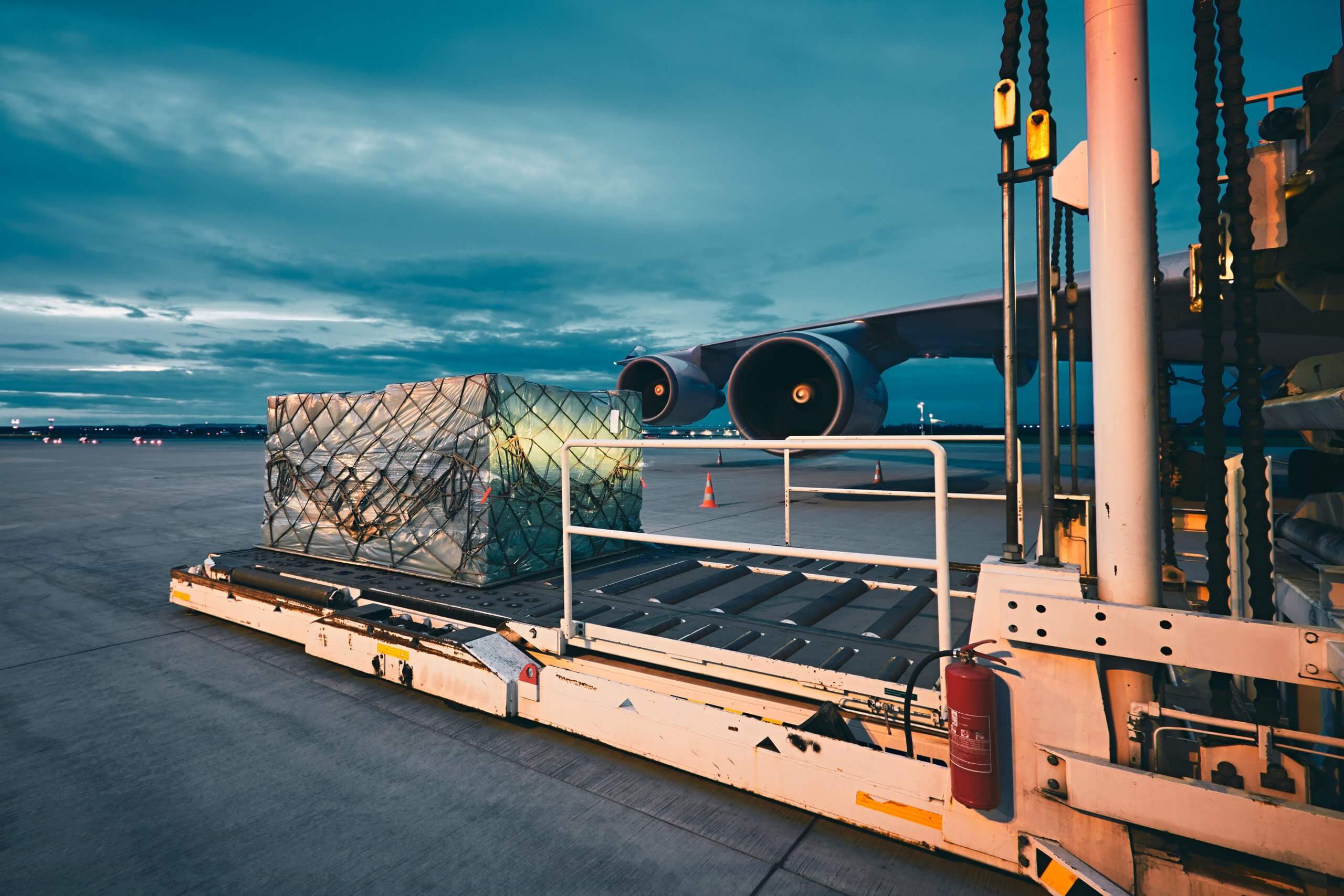
Outsized urgent cargo charter requests introduce constraints that standard air freight is not designed to manage. Size, weight, loading access and airport capability all influence whether a shipment can move as planned. These movements are commonly tied to industrial, infrastructure or project-driven requirements. Here, timing and execution matter the most.
Outsized Cargo air services address this by planning transport around the cargo itself. Aircraft selection, routing and ground handling are aligned to the shipment’s physical and operational needs. It allows complex cargo to move within a defined and controlled framework.
What is an outsize air cargo charter?
Outsize air cargo charter services are useful to move cargo that exceeds the size or weight limits of standard air freight. This includes shipments that cannot be palletised, containerised or loaded through regular cargo doors.
Instead of using scheduled services, a dedicated aircraft is selected based on payload capacity, cargo hold dimensions and loading access. Basically, chartering outsize air cargo allows transport planning to match the cargo, not airline constraints. It is used for project cargo, industrial equipment and time-critical shipments where flexibility and handling control are essential globally.
Key considerations for an outsize air cargo charter
Heavy and outsize cargo requires feasibility-driven planning. Many factors are evaluated before execution. This includes:
- Cargo dimensions and weight accuracy
Exact measurements must be taken in a packed condition. Weight distribution matters alongside total weight, as it affects balance and security. Inaccurate data can invalidate aircraft selection and disrupt schedules.
- Aircraft suitability
The choice of aircraft depends on more than payload capacity. We evaluate various types for planes to ensure the cargo hold size, floor limits, door access and loading method are appropriate. The right aircraft’s availability further influences routing and timelines.
- Airport infrastructure
The origin and destination airports must support the aircraft and cargo. Runway classification, apron strength and handling space require confirmation. Infrastructure limitations can restrict otherwise viable routes.
- Loading and securing requirements
Oversized air cargo charter needs specialised lifting equipment and custom securing plans. Proper restraint is quite essential to manage in-flight forces. Weak handling or securing increases operational risk.
- Regulatory and customs approvals
Special permits may be required for aircraft operations or cargo dimensions. International movements require coordinated customs planning. Delays often arise when approvals are not aligned with flight schedules.
How does an outsize air cargo charter work?
The process begins with a detailed review of the cargo. Dimensions, weight, packing condition and lifting points are assessed. This helps understand how the shipment can be handled safely. It is critical, as aircraft feasibility depends on more than payload limits alone. Cargo hold size, door access, floor strength and loading method must align with the cargo profile. At the same time, routing is evaluated by checking whether departure and arrival airports can support the aircraft and the required ground handling activity.
Once feasibility is confirmed, execution planning moves forward. Suitable ground handling equipment is arranged at both ends, including cranes or heavy-duty loaders where required. Loading and securing procedures are finalised to manage cargo movement during flight. Documentation, permits and customs requirements are prepared in parallel. Cargo is then loaded under supervision, secured according to the approved plan and inspected before departure. On arrival, unloading follows the same controlled process using pre-arranged equipment and handling teams.
Why choose an outsize air cargo charter solution?
Outsize cargo cannot be managed effectively through standard freight channels. Charter solutions are used where control and feasibility take priority.
- Cargo-led planning
Charter planning starts with the cargo rather than schedule availability. Aircraft, routing and handling decisions are based on physical constraints. This reduces compromise during execution and avoids rework once the shipment reaches the airport.
- Schedule certainty
Chartered flights operate on agreed timelines. This reduces exposure to rollovers and missed cut-offs. It supports project-driven delivery requirements where downstream activities depend on arrival dates.
- Integrated coordination
Aircraft selection, ground handling and approvals are planned together. This reduces disconnects between booking and execution. Accountability remains clearer across stages, especially when multiple locations are involved.
- Reduced operational dependency
Charter movements rely on fewer intermediaries. This lowers the risk of misalignment between airlines, handlers and forwarders. Decisions can be made faster when conditions change.
Benefits of heavy and outsize air cargo charter
Charter offers operational advantages that extend beyond capacity alone. These benefits support predictability and control across complex movements.
- Reduced handling exposure
Cargo is handled through planned and supervised procedures. Equipment is matched to cargo weight and geometry. This limits unnecessary movement and reduces damage risk during loading and unloading.
- Routing aligned to cargo needs
Charter aircraft can operate into suitable airports closer to project locations. This can reduce inland transport requirements. It also helps avoid congested hubs where handling windows are limited.
- Operational visibility
Charter movements follow a defined execution plan. Key milestones are easier to track. This supports coordination across logistics teams, site teams and project managers.
- Lower risk of mid-transit disruption
Direct routing and defined schedules reduce dependency on multiple connections. This limits exposure to missed transfers, rehandling or storage delays. Cargo remains within a controlled movement window.
- Better alignment with project timelines
Charter planning considers installation, commissioning or site-readiness schedules. Arrival timing can be matched to operational needs rather than airline availability. This supports smoother project execution.
Planning for Outsize Cargo Shipments
Heavy and oversized cargo needs careful planning from the start. These shipments involve limits around size, weight, loading access and airport capability. When decisions are made on assumptions, delays and operational issues follow. When feasibility is checked early, the movement stays controlled and predictable.
For organisations moving oversized machinery or project cargo, you need to work with a partner that understands these constraints in practice. Air Charter International approaches heavy cargo air charter services carefully. We assess cargo feasibility, align aircraft selection, routing, ground handling and approvals. This helps reduce last-minute changes, keeps timelines realistic and supports smoother execution across domestic and international routes.
FAQ
-
What is the definition of an outsize air cargo charter?
It is a specialised Cargo Charter Service used to transport cargo that is too large or heavy for standard air freight. The aircraft and handling are chosen to suit the cargo’s size and weight.
-
How is outsize air cargo different from regular air cargo?
Regular air cargo follows fixed aircraft limits and schedules. Heavy and outsize cargo requires feasibility checks, specialised loading and confirmed airport capability. Planning is driven by cargo constraints.
-
How do I arrange an outsize air cargo charter?
First, accurate cargo dimensions, weight and packing details are shared. Then, aircraft feasibility, routing and handling plans are confirmed before scheduling.
-
How much does an outsize air cargo charter cost?
The cost depends on aircraft type, route, handling requirements, and regulatory approvals. The shipment price is based on its operational profile.
-
Can outsize air cargo be transported internationally?
Yes! International transport is possible with proper permits and customs coordination. Approvals must be aligned with flight schedules to avoid delays.
Author bio:
Stuart Wheeler is the CEO of Air Charter International (ACI). Established in 1994 and based in Dubai, ACI is an aviation services provider with a dedicated team of aviation specialists focused on delivering professional aircraft lease and charter services to the following regions – Africa, Arabia, Asia, Asia Pacific, Europe and the Americas.